

Discover More Latest Blogs







.svg)
.svg)
.svg)

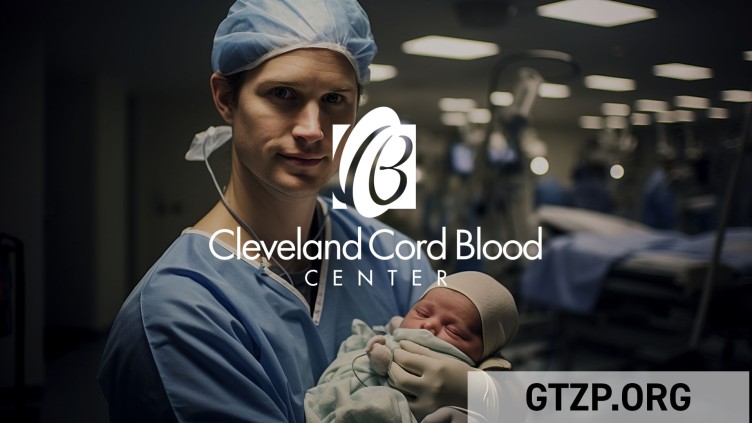
Stem cell therapies have emerged as a revolutionary approach in the field of medicine, offering potential treatments for a wide range of diseases and injuries. One of the most valuable sources of stem cells is cord blood, which is collected from the umbilical cord and placenta after a baby is born.
In this article and episode, we spoke with Marcie Finney, Executive Director of Cleveland Cord Blood Center. The Cleveland Cord Blood Center's mission is to advance umbilical cord blood cell therapy treatments: saving lives, enhancing health, and expanding knowledge one birth at a time.
Marcie breaks down these advanced topics with an aim to highlight the importance of cord blood donation in advancing stem cell therapies along with the potential it holds for transforming the landscape of modern medicine.
To listen/watch to the full podcast interview hosted by Greater Than Zero Percent (GTZP), visit our or Spotify or Apple.
Cord blood refers to the blood that remains in the umbilical cord and placenta after a baby is born. It contains a rich supply of stem cells, including hematopoietic stem cells, which are responsible for the production of blood cells.
These stem cells have the unique ability to develop into red blood cells, white blood cells, and platelets. Unlike other sources of stem cells, such as bone marrow or peripheral blood, cord blood is easily accessible, non-invasive, and painless to collect.
Cord blood donation plays a crucial role in advancing stem cell therapies for several reasons.
Firstly, cord blood is an excellent source of stem cells for transplantation. Hematopoietic stem cells derived from cord blood have been successfully used in the treatment of various blood disorders, such as leukemia, lymphoma, and aplastic anemia. These stem cells have the potential to rebuild the patient's immune system and restore normal blood cell production. Secondly, cord blood donation provides a unique opportunity to build diverse and ethnically representative stem cell banks.
The genetic makeup of an individual's stem cells can influence the success of a transplantation. By expanding the diversity of cord blood donations, the chances of finding a suitable match for patients from different ethnic backgrounds increase significantly. This is particularly important for minority populations who often face difficulty finding a compatible stem cell donor.
Over the years, there have been significant advancements in cord blood banking, ensuring the preservation and availability of cord blood for future use. There are two main types of cord blood banks: public and private. Public cord blood banks collect and store cord blood donations for the general public, making them available to anyone in need.
Private cord blood banks, on the other hand, store cord blood specifically for the family of the donor. Public cord blood banks have played a vital role in advancing stem cell therapies by making cord blood units available for transplantation to patients who need them.
These banks adhere to strict quality standards and ensure that the collected cord blood units are processed, tested, and stored in a manner that maintains their viability and potency. Private cord blood banks offer families the option to store their baby's cord blood exclusively for their own use. This allows families to have a readily available source of stem cells that are a perfect match for their child.
Cord blood donation has already made significant contributions to stem cell therapies, but its potential is far from fully realized. Ongoing research and advancements in stem cell technology are expanding the therapeutic applications of cord blood.
Scientists are exploring the potential of cord blood for treating neurological disorders, autoimmune diseases, and even regenerating damaged tissues and organs. Furthermore, efforts are being made to improve the efficiency of cord blood transplantation by enhancing the engraftment and immune compatibility of cord blood stem cells. This includes techniques such as ex vivo expansion, genetic modification, and co-transplantation with other cell types.
These advancements hold promise for increasing the success rate of cord blood transplantations and expanding the number of diseases that can be treated.
Cord blood donation is of utmost importance in advancing stem cell therapies and improving the lives of patients worldwide. Its unique properties and accessibility make it an invaluable source of stem cells for transplantation.
By increasing the diversity of cord blood donations and expanding the availability of cord blood units, we can enhance the chances of finding suitable matches for patients in need. Continued research and advancements in cord blood banking and transplantation techniques will further unlock the potential of cord blood in revolutionizing modern medicine.
To listen/watch to the full podcast interview hosted by Greater Than Zero Percent (GTZP), visit our or Spotify or Apple.
-Joseph (with help from GenAI!)
Share:

.svg)

.svg)

.svg)

Available on




.svg)
.svg)
.svg)
.svg)


© Copyright 2022 Greater Than Zero Percent
Greater Than Zero Percent is a registered 501(c)(3) EIN: 86-1309421