

Discover More Latest Blogs


.svg)
.svg)
.svg)
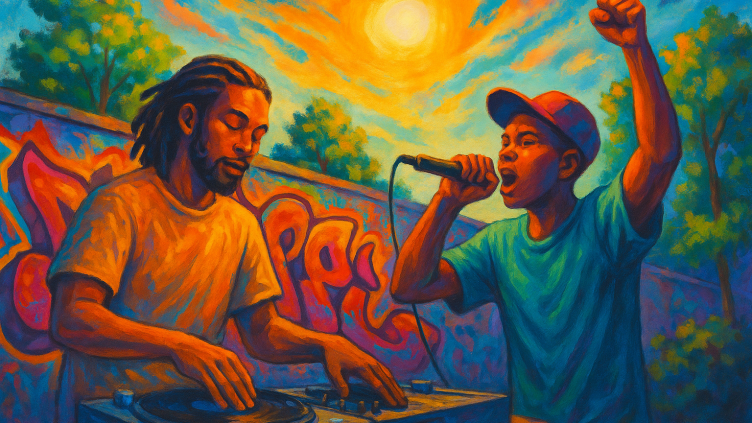
“Hip-hop began as peace work—gangs in the Bronx put down violence and picked up microphones.”
When you think of hip-hop, what comes to mind? For some people, it’s whatever the industry "thinks" will get the most listens, sometimes with lyrics and culture and that too often reinforce negative stereotypes.
But that’s not the hip-hop origin story.
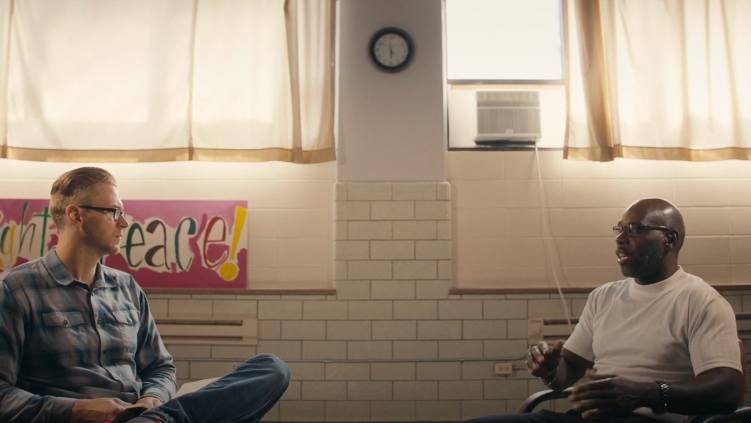
This week, C. Marlon Richardson, Executive Director of Hip Hop For Change, Inc. shared with me what is...
Hip-hop was born out of peace. In the Bronx, rival gangs put down violence and picked up microphones, turntables, and cardboard dance floors. They remixed what they had: music, fashion, language and created a culture that gave marginalized kids the power to say: We’re more than what society tells us we are. That is rad...
This story matters today more than ever. Because when corporate incentives narrow the lens of hip-hop to glorify violence or misogyny, the consequences spill into classrooms, courtrooms, and neighborhoods. Pew research shows that most white Americans don’t have close friends of color. So when the only lens is a corporate one, stereotypes become reality for how teachers discipline, how police react, and how judges sentence.
This is why organizations like Hip Hop For Change, Inc. exist—to reclaim the narrative and rehumanize communities. They use the many elements of hip-hop culture like (MCing, DJing, breaking, graffiti, and knowledge) as a framework for self-expression, social-emotional learning, and even workforce development.
The results are tangible:
But the impact is bigger than numbers. Hip-hop education creates "safe and brave spaces" for kids to tell their stories, regulate their emotions, and build confidence. It’s journaling with rhythm. Therapy with a beat. Community-building disguised as fun.
If we’re serious about education reform, equity, and opportunity, then hip-hop isn’t a distraction, it’s a blueprint. It shows what happens when you take something born in struggle and turn it into joy, creativity, and possibility.
That’s a model worth replicating far beyond music.
If you want to hear how C. Marlon Richardson, Executive Director of Hip Hop For Change, Inc. is living this work every day, check out our full conversation on the podcast.
🎧 Listen to the full episode | 🌍 Learn more → hiphopforchange.org
Share:

.svg)

.svg)

.svg)
Available on




.svg)
.svg)
.svg)
.svg)


© Copyright 2022 Greater Than Zero Percent
Greater Than Zero Percent is a registered 501(c)(3) EIN: 86-1309421