

Discover More Latest Blogs







.svg)
.svg)
.svg)

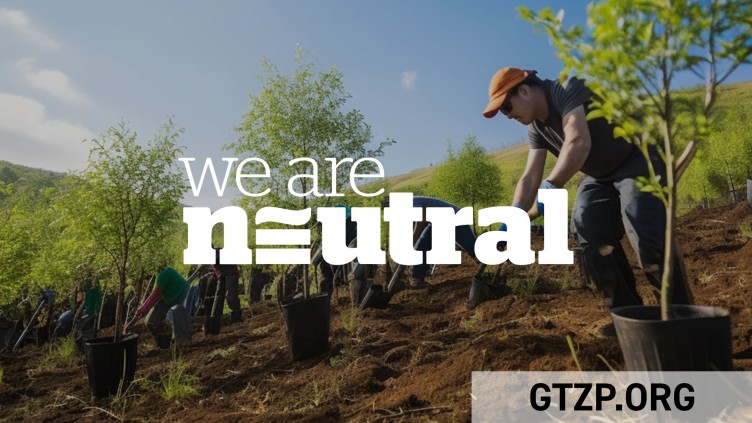
In recent years, the concept of carbon neutrality gained significant attention and importance in the global pursuit of a sustainable future. As the world grapples with the devastating consequences of climate change, it has become increasingly clear that reducing carbon emissions is crucial in mitigating the effects of global warming.
In this article and episode, Anna Sampson, Director at We Are Neutral, and me discuss stories of organizations from around the world that are changing lives and achieving carbon neutrality. We Are Neutral is an environmental nonprofit that has 15 years of experience helping businesses and individuals understand, track, reduce, and offset their comprehensive environmental footprints, giving them the opportunity to take responsibility for their environmental impact to work towards carbon neutrality and/or Net Zero.
To listen/watch to the full podcast interview hosted by Greater Than Zero Percent (GTZP), visit our or Spotify or Apple.
Carbon neutrality, the state in which an entity's carbon emissions are balanced by removing an equivalent amount of carbon from the atmosphere, is emerging as a key strategy to achieve this goal.
Human activities, particularly the burning of fossil fuels, deforestation, and industrial processes, have led to an unprecedented increase in greenhouse gas emissions. Carbon dioxide, the primary greenhouse gas, has reached record levels in the atmosphere, trapping heat and causing the Earth's temperature to rise.
This rapid increase in global temperatures has resulted in a host of environmental problems, including rising sea levels, extreme weather events, and the loss of biodiversity. To understand the importance of carbon neutrality, it is essential to comprehend the concept of a carbon footprint.
A carbon footprint refers to the total amount of greenhouse gases emitted directly or indirectly by an individual, organization, or product.
This footprint is measured in units of carbon dioxide equivalent (CO2e) and encompasses emissions from activities such as energy consumption, transportation, and waste management.
The urgency to achieve carbon neutrality stems from the need to limit global warming to well below 2 degrees Celsius, as outlined in the Paris Agreement. This international treaty aims to prevent catastrophic climate change by reducing greenhouse gas emissions and promoting sustainable development.
The Intergovernmental Panel on Climate Change (IPCC) has emphasized the need to reach net-zero emissions globally by mid-century to have a reasonable chance of staying within this temperature limit.
Carbon neutrality plays a pivotal role in achieving a sustainable future by addressing the carbon footprint challenge.
By striving for carbon neutrality, individuals, organizations, and governments commit to reducing their greenhouse gas emissions and offsetting the remaining emissions through activities that remove carbon from the atmosphere. This can be accomplished through various means, which We Are Neutral help advise on, such as investing in renewable energy, implementing energy-efficient practices, and supporting carbon offset projects.
1. Mitigating Climate Change
The primary benefit of carbon neutrality is its potential to mitigate climate change.
By balancing carbon emissions with carbon removal, the net effect on the atmosphere is neutral. This helps prevent further warming and contributes to the stabilization of global temperatures. Through carbon neutrality, we can slow down and ultimately halt the detrimental effects of climate change, protecting ecosystems, livelihoods, and future generations.
2. Driving Innovation and Economic Growth
Transitioning to a carbon-neutral economy necessitates significant technological advancements and innovation.
Investing in renewable energy sources, such as solar, wind, and hydroelectric power, leads to job creation and economic growth. The development of new technologies and sustainable practices can foster a green economy, providing opportunities for businesses and industries to thrive in a low-carbon future.
3. Enhancing Energy Independence and Security
Reducing carbon emissions through carbon neutrality also enhances energy independence and security.
By diversifying energy sources and investing in renewable energy infrastructure, countries can become less reliant on fossil fuels and volatile international markets. Carbon-neutral practices promote energy efficiency, decentralization, and local energy generation, reducing vulnerability to supply disruptions and geopolitical tensions.
4. Preserving Natural Resources and Biodiversity
Carbon neutrality is closely linked to the preservation of natural resources and biodiversity.
The transition to renewable energy and sustainable practices reduces the extraction and consumption of finite resources, such as fossil fuels. This helps protect sensitive ecosystems from the harmful consequences of resource extraction and minimizes habitat destruction. Preserving biodiversity is crucial for maintaining ecosystem services, sustaining food production, and ensuring the well-being of all species on Earth.
5. Inspiring Global Action
Adopting carbon-neutral practices sets an example for global action on climate change. Anna at We Are Neutral are doing just that!
When individuals, organizations, and governments commit to carbon neutrality, they send a powerful message that sustainability is a priority. This can inspire others to follow suit, creating a domino effect of positive change. By demonstrating the feasibility and benefits of carbon neutrality, we can encourage collective action and foster a sense of global responsibility in the fight against climate change. We Are Neutral helps people and organizations take control and ownership over their carbon footprint, understanding where to change, and helping take action on those changes in a data-driven, business-supporting way.
In conclusion, carbon neutrality is of utmost importance in achieving a sustainable future.
By striving for carbon neutrality, we can mitigate climate change, drive innovation and economic growth, enhance energy independence and security, preserve natural resources and biodiversity, and inspire global action. The urgency to achieve carbon neutrality is evident as we face the consequences of unchecked carbon emissions. It is crucial for individuals, organizations, and governments to embrace carbon-neutral practices and work collaboratively to ensure a livable planet for future generations.
Through collective action and a commitment to carbon neutrality, we can pave the way for a sustainable and resilient future.
To listen/watch to the full podcast interview hosted by Greater Than Zero Percent (GTZP), visit our or Spotify or Apple.
Share:

.svg)

.svg)

.svg)

Available on




.svg)
.svg)
.svg)
.svg)


© Copyright 2022 Greater Than Zero Percent
Greater Than Zero Percent is a registered 501(c)(3) EIN: 86-1309421