

Discover More Latest Blogs





.svg)
.svg)
.svg)

In today’s world, where technology is an integral part of our lives, we often forget the importance of human connection and belonging. The need to belong is a fundamental human need that is often overlooked in our personal and professional lives. However, the truth is that human connection and belonging are critical for our overall well-being and success.
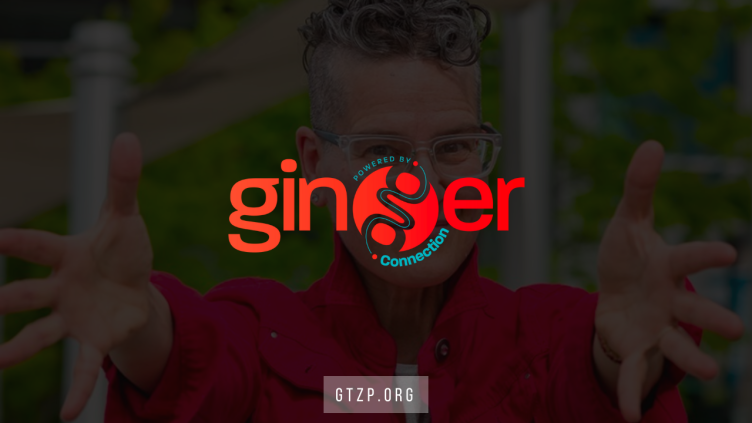
In this episode and blog post, we explore the importance of human connection and belonging in personal and professional life, and share some insights from a Ginger Johnson, Chief Connecting Officer!
To listen/watch to the full podcast interview hosted by Greater Than Zero Percent (GTZP), visit our or Spotify or Apple.
Human connection is the feeling of being understood, valued, and accepted by others. It is the sense of being a part of something greater than ourselves. Human connection involves both emotional and physical connections with others. Emotional connections include feelings of love, compassion, and empathy, while physical connections include touch, hugs, and other forms of physical contact.
Human connection is essential for our mental, emotional, and physical well-being. People who have strong social connections are happier, healthier, and live longer than those who are socially isolated. Human connection helps us to:
Belonging is the feeling of being part of a group or community. It is the sense of being accepted for who we are and valued for our contributions.
Belonging is important because it helps us to:
We need to prioritize human connection and belonging in our lives and invest time and effort into building strong relationships with others. By doing so, we can improve our mental, emotional, and physical well-being, and achieve greater success in our personal and professional lives.
To listen/watch to the full podcast interview hosted by Greater Than Zero Percent (GTZP), visit our or Spotify or Apple.
-Joseph (with help from ChatGPT!)
Share:

.svg)

.svg)

.svg)

Available on




.svg)
.svg)
.svg)
.svg)


© Copyright 2022 Greater Than Zero Percent
Greater Than Zero Percent is a registered 501(c)(3) EIN: 86-1309421